
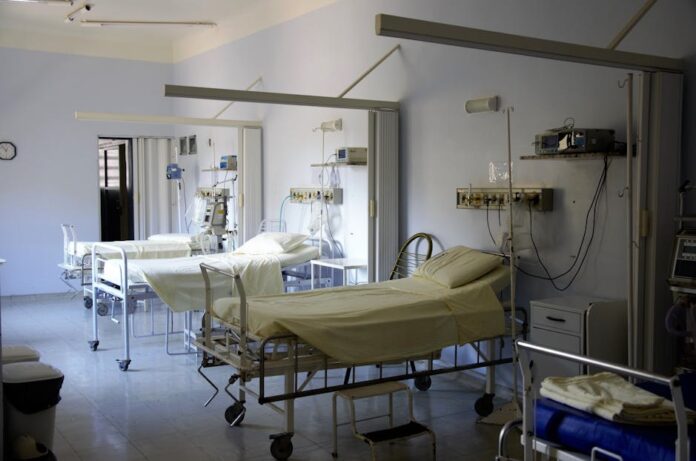
The emergency room is a critical environment where lives hang in the balance. In this chaotic setting, discipline is not just a matter of procedure; it’s a cornerstone of effective care. From stringent protocols to clear communication, a disciplined approach ensures that medical professionals can deliver timely and accurate treatment, ultimately improving patient outcomes and saving lives. Let’s delve into the crucial aspects of discipline in the ER.
The Foundations of Discipline in Emergency Medicine:
Discipline in the emergency room is built upon several core elements. Standardized protocols are the bedrock, providing clear, step-by-step guidelines for managing various medical emergencies. These protocols minimize ambiguity and ensure consistent care across all patients. Equally vital are clearly defined roles and responsibilities. Each member of the ER team must understand their specific duties, fostering accountability and preventing duplication of effort.
Effective communication channels are the arteries of a disciplined ER. Strategies like closed-loop communication, where instructions are repeated back to confirm understanding, are essential. Protocols for handoffs between staff members, using standardized forms and verbal briefings, minimize the risk of lost information. These elements create a structured environment, allowing the team to function efficiently even during peak chaos. For instance, a sepsis protocol ensures rapid identification and treatment, while a standardized trauma response protocol streamlines patient assessment and intervention. Strong leadership is paramount in cultivating a culture of discipline, setting expectations, and holding team members accountable for adherence to protocols.
The Impact of Discipline on Patient Outcomes and Safety:
The benefits of discipline within the ER extend directly to patient outcomes. Strict adherence to protocols minimizes the likelihood of medical errors, improving diagnostic accuracy and ensuring timely interventions. This disciplined approach plays a vital role in maintaining patient safety, preventing the spread of infections through rigorous hygiene protocols and minimizing the risk of complications during procedures.
Consider, for example, the implementation of a standardized checklist for central line insertions. Studies have shown that such checklists dramatically reduce the incidence of central line-associated bloodstream infections, a potentially deadly complication. Similarly, disciplined adherence to medication administration protocols can prevent harmful medication errors. Neglecting discipline can lead to increased mortality rates and preventable adverse events. A breakdown in communication during a patient transfer, for example, could result in a delay in critical treatment, with potentially devastating consequences.
undefined
The Impact of Discipline on Patient Outcomes and Safety
Discipline within the emergency room (ER) is not merely about order; it is inextricably linked to patient outcomes and safety. Adherence to standardized protocols directly reduces medical errors, improves diagnostic accuracy, and ensures timely interventions. A disciplined environment fosters a culture of precision, where protocols for medication administration, patient assessment, and triage are followed meticulously. This meticulousness minimizes the risk of adverse events.
Discipline also plays a vital role in maintaining patient safety, preventing the spread of infections, and minimizing complications. Proper hand hygiene, isolation protocols, and sterile techniques are crucial. Neglecting these aspects can lead to increased mortality rates and preventable adverse events. For instance, a study published in the Annals of Emergency Medicine found that hospitals with consistently high adherence to sepsis protocols had significantly lower mortality rates among septic patients. In contrast, neglecting discipline can lead to increased mortality rates and preventable adverse events.
The tangible benefits are clear: better patient care and improved survival rates.
undefined
Challenges to Maintaining Discipline and Strategies for Improvement
Maintaining discipline in the emergency room (ER) faces considerable hurdles. Chronic staff shortages and unrelenting high patient volumes are primary culprits, leading to burnout and compromised focus. The emotional toll of dealing with critical cases and distressed families further strains staff, eroding adherence to protocols.
Addressing these challenges requires a multi-pronged approach. Stress management programs, offering counseling and coping strategies, are crucial. Adequate staffing levels, ensuring manageable workloads, are paramount. Cultivating a supportive work environment, fostering open communication and mutual respect, strengthens team cohesion.
Technology can significantly enhance discipline. Electronic health records streamline information access, reducing errors. Automated alert systems prompt timely interventions, preventing oversights. Ongoing training and education are vital, reinforcing best practices and promoting a culture of continuous improvement. These efforts collectively contribute to a more disciplined and efficient ER, ultimately benefiting patients.
undefined
Conclusions
In conclusion, discipline in the emergency room is paramount. From strict protocols to efficient communication, it forms the bedrock of effective patient care. A disciplined approach minimizes errors, enhances safety, and ultimately saves lives. Overcoming challenges through supportive environments and technological advancements ensures a consistently high standard of care. By prioritizing discipline, ERs can optimize patient outcomes and cultivate a culture of excellence, making a tangible difference in the lives of those they serve.